Modi Government Plans SEZ Act Overhaul to Boost Competitiveness
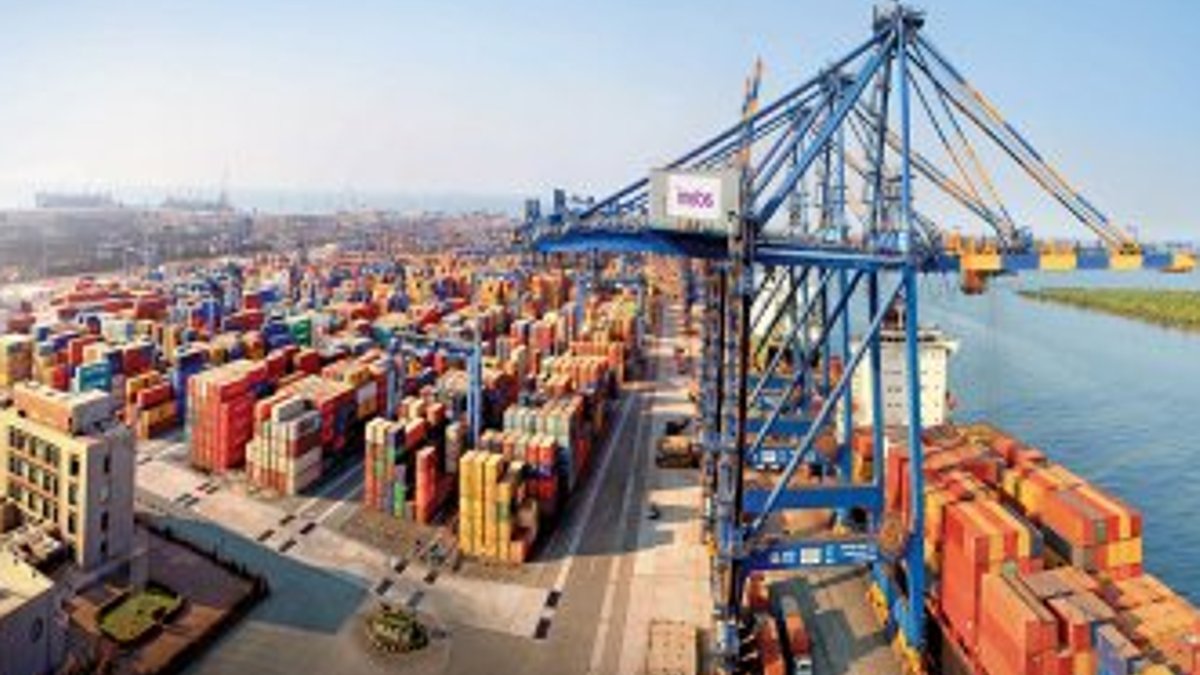
India’s special economic zones (SEZs) are poised for a potential overhaul, with the Modi government reportedly planning to amend the SEZ Act in the upcoming budget session of Parliament.
The proposed changes aim to address long-standing challenges within these zones, which were first introduced in 1965 to attract foreign investment and boost the domestic economy.
A History of Mixed Results
Despite initial ambitions, the SEZ policy has yielded mixed results. While India currently has 272 operational SEZs, exporting goods and services worth approximately $133 billion in FY2022-23, experts argue that the zones have fallen short of their potential.
He advocates for reconsidering tax incentives and allowing units within SEZs greater flexibility to sell goods domestically when export targets are unmet due to global slowdowns.
Global Competition and Policy Shifts
The decline in SEZ performance is partly attributed to shifting global trends. ASEAN nations have implemented more attractive regulatory and economic policies, drawing businesses away from Indian SEZs.
This trend is reflected in the decline in export value from Rs 7,96,669 crore in FY 2019-20 to Rs 6,10,301 crore in FY 2021-22. India’s SEZs, once pioneers in Asia, now face stiff competition from regions offering more lucrative incentives and operational flexibility.
The World Trade Organization (WTO) has also raised concerns about India‘s SEZ tax incentives, prompting the country to reevaluate its policies. The proposed amendments aim to address these challenges by permitting domestic firms within SEZs to avoid tax for the sale of goods and services and get economies of scale without being subjected to a double whammy of taxation.
The government has recently amended SEZ rules to allow floor-wise denotification that will allow commercial space owners to use the vacant space in these special zones. However, experts emphasize the need for a full revamp, focusing on promoting manufacturing activities, improving infrastructure, and enhancing global competitiveness.
Read Also: Nvidia CEO’s Affair Scandal Overshadows Midterm Election Results
Addressing Challenges and Revitalizing SEZs
The Modi government is eyeing to amend the SEZ Act in the upcoming budget session of the Parliament ahead of major general elections. One proposed change involves relaxing restrictions on the sale of SEZ-manufactured goods in Domestic Tariff Areas (DTAs).
Promoting Manufacturing and Infrastructure
Experts emphasize the need to promote manufacturing activities within SEZs, which have been dominated by service sector activities like IT services. Success stories in pharmaceuticals, gems, jewelry, and electronics manufacturing exist, but breakthroughs in other manufacturing sectors are lacking.
We need to promote manufacturing infrastructure in SEZs by boosting multi-modal transport, logistics and port connectivity infrastructure. The Sagarmala project, aimed at accelerating port connectivity, is expected to play a key role in promoting manufacturing activities and reducing logistics costs.
RP Gupta highlights the importance of evaluating feasibility based on input costs and sales realization for manufacturing companies considering SEZ locations. While SEZs may be viable for assemblers of imported parts with export markets, they may not suit all exporters due to intangible incentives and cheaper import encouragement.
For service exporters like IT services, SEZs offer advantages such as cheaper manpower, land, and infrastructure, making them a good option. However, other service exports remain insignificant, and experts stress the need for consistent policy and regulatory easements to boost exports and achieve trade surplus.
Reorienting SEZ Policy for Domestic Market Integration
Large areas within special economic zones (SEZs) remain unused due to sector-specific restrictions. Following a WTO ruling against India’s export incentives in SEZs, the government may reconsider its SEZ policy to focus on employment and manufacturing rather than exports. This adjustment would allow SEZ units to utilize spare capacity to serve the domestic market, ensuring better resource utilization.
SEZ units currently face competition from manufacturers in countries with which India has signed free trade agreements (FTAs). These manufacturers can sell goods duty-free in India, while SEZ units must pay customs duties to sell in DTAs. Experts suggest revamping the SEZ system to attract business interest and adopt international best practices, improving capacity utilization and output. For service exporters, such as IT services, SEZs remain viable due to lower manpower costs, cheaper land, and favorable infrastructure and business laws.
The feasibility of SEZ locations depends on production costs, particularly for imported inputs, and the proportion of exports. Reducing basic input costs, such as capital, energy, logistics, and minerals, alongside regulatory easements, is seen as essential for enhancing economic efficiency and supporting export growth.


