Nvidia Reinstates CEO Huang Amid Governance and Security Concerns
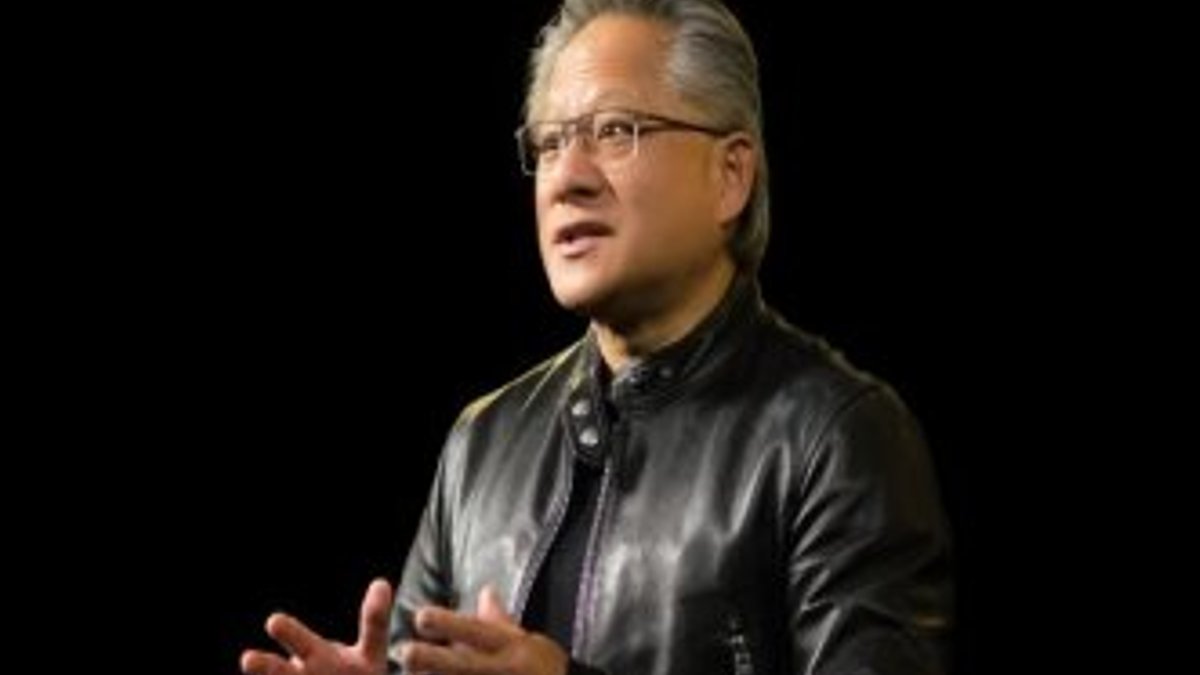
Jensen Huang’s return as Nvidia’s CEO, following a high-profile resignation and intervention by former US President Donald Trump, has sparked a debate about corporate governance and national interests. The controversy began with allegations of personal misconduct and potential security risks tied to Huang’s relationships.
Nvidia’s board initially accepted his resignation, citing violations of their code of conduct. However, it reversed this decision after discussions with Huang and input from senior US officials, including Trump. This reversal raises questions about the board’s independence and the influence of political interests on corporate decision-making.
A Tech Pioneer’s Indispensable Role
Huang’s reinstatement highlights his unique position within Nvidia and the tech industry. As the company’s founder, he transformed it from a graphics-chip manufacturer into a leader in the global AI ecosystem. His vision and leadership are credited with making Nvidia’s processors essential for AI development and data centers.
The market reacted swiftly and positively to his return, with Nvidia’s shares surging and adding nearly $1 trillion to its market value. Investors clearly value Huang’s leadership and view his absence as a significant risk.
Balancing Talent and Accountability
While Huang’s contributions are undeniable, his return raises concerns about corporate governance. A board must ensure a company’s success isn’t solely dependent on one individual. Nvidia’s abrupt reversal, before completing an independent investigation, has cast doubt on its credibility.
This situation is not unique to Nvidia. Many successful companies face challenges with succession planning and reducing reliance on charismatic founders. The founder’s dilemma is a well-documented issue in corporate governance.
National Interests and Corporate Autonomy
Trump’s intervention complicates matters, blurring the line between protecting national strategic assets and interfering in private corporate affairs. While Nvidia plays a key role in the US-China tech competition, this doesn’t justify bypassing established governance processes.
Allegations against Huang, including possible ties to Chinese intelligence and chip diversion, remain under investigation. Nvidia has announced an independent probe, a new national security committee, and the appointment of a Chief Compliance Officer.
The Road Ahead for Nvidia and Huang
Huang’s return may have been a commercially sound decision, but it has created a governance challenge. The coming months will likely bring continued scrutiny from Congress, ongoing investigations, and questions about the relationship between Silicon Valley and Washington.
The real test for Nvidia and Huang lies in demonstrating that exceptional talent can coexist with accountability and robust institutional processes. While the market has shown enthusiasm for Huang’s return, the company’s long-term health depends on addressing these governance concerns.
According to local reports, the allegations against Huang are serious, and the outcome of the investigations will have significant implications for Nvidia’s future.


