Industrial Pumping Systems: Balancing Flow Requirements and Mechanical Reliability
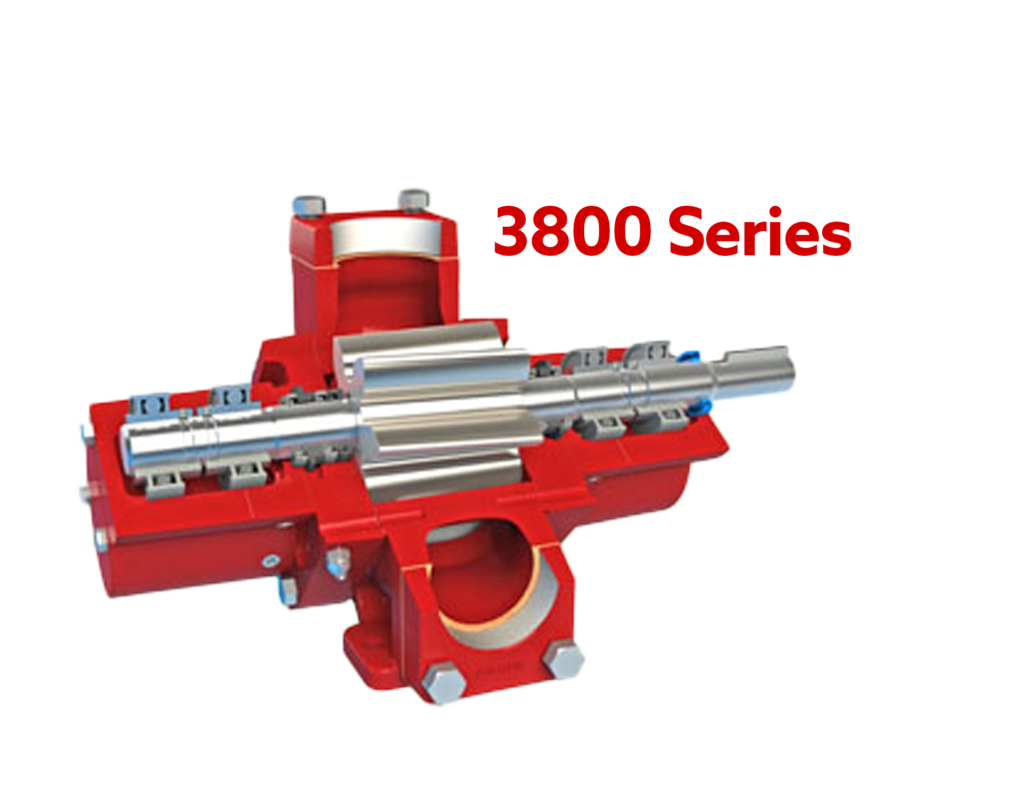
Common wisdom often suggests that selecting fluid-handling equipment is a simple matter of matching a pump to a specific flow rate and pressure requirement. Many procurement decisions are based on these two variables alone, under the assumption that if the specifications align, the system will perform reliably. However, the reality of industrial fluid transfer is far more nuanced. Relying solely on basic capacity figures often leads to premature mechanical failure, energy inefficiency, and frequent downtime.
Why Basic Specifications Frequently Fail to Predict Long-Term Performance
When selecting industrial gear pumps, engineers and facility managers often prioritize throughput as the primary metric. The logic is straightforward: a pump must move a specific volume of fluid over a given distance within a certain timeframe. While this is a necessary starting point, it ignores the physical behavior of the fluid and the dynamic nature of the system.
Fluids behave differently under varying conditions of temperature and shear. For instance, viscous liquids exhibit internal resistance that changes based on the speed of the pump. If a pump is sized purely on a maximum flow rate without considering the fluid’s viscosity curve or the suction conditions of the system, the equipment may operate outside of its optimal efficiency range. Over time, this results in excessive internal friction, elevated operating temperatures, and accelerated wear on internal clearances. A system that appears to be performing correctly during initial testing may demonstrate signs of premature degradation after only a short period of continuous operation.
What Actually Matters for Mechanical Longevity
True reliability in fluid transfer systems tends to depend more on operational stability than on peak performance capacity. When working with complex fluids, such as those found in food processing or chemical manufacturing, the focus must shift to how the pump handles the fluid’s physical properties under load.
One critical consideration is the concept of net positive suction head. If the pressure at the inlet of the pump falls below the vapor pressure of the fluid, the pump can experience cavitation. This is a process where vapor bubbles form and collapse with significant force, causing damage to the pump’s internal components. Even systems that meet all flow requirements can suffer rapid mechanical failure if the suction side is poorly designed.
Furthermore, the materials used in the construction of chocolate transfer pumps and similar specialized equipment must be compatible with the specific chemical or food-grade requirements of the application. The internal seals, gears, and housing materials often face stress from temperature fluctuations and abrasive particles. Assessing how these materials interact with the fluid under sustained heat or cold is typically a better predictor of a pump’s lifespan than simple capacity ratings.
Differentiating Quality and Suitability in Practice
In a practical environment, distinguishing between a pump that is merely functional and one that is well-suited for a specific process requires a more holistic approach to procurement. It is helpful to look beyond the catalog ratings and evaluate the mechanical design of the pump itself.
Consider asking prospective providers about how the pump handles variable viscosity. A high-quality pump should be able to maintain consistent output even as process temperatures shift. Additionally, evaluate the ease of maintenance. Any piece of industrial equipment will eventually require service, and a design that allows for efficient inspection and component replacement typically results in lower total cost of ownership.
It is also useful to inquire about the manufacturer’s guidance on system integration. A pump is only one part of a larger network of pipes, valves, and control systems. A provider who emphasizes the importance of proper system layout—such as minimizing sharp bends in piping or ensuring adequate pipe sizing to reduce friction losses—is generally prioritizing the long-term health of the equipment over a quick transaction.
Reframing the Approach to Fluid Transfer Systems
The most effective way to view industrial pumping is not as a commodity purchase, but as an exercise in system integration. Instead of asking which pump can move a specific volume, it is more useful to ask how the pump will interact with the rest of the facility’s architecture.
This perspective shift involves several key considerations:
- System Synergy: How do the downstream valves and filtration systems affect the backpressure on the pump?
- Operational Flexibility: Does the pump have the capacity to handle potential changes in production volume or fluid composition in the future?
- Preventive Oversight: What maintenance schedules are realistic given the current operating intensity of the equipment?
When an organization treats fluid transfer as a system-wide challenge rather than a simple component selection, the results tend to be more stable. This approach acknowledges that mechanical reliability is the outcome of careful planning, appropriate material selection, and rigorous attention to the environmental conditions under which the pump must function.
Ultimately, the goal is to create an environment where the pumping infrastructure supports the production process without becoming a recurring source of operational strain. By moving away from the assumption that flow ratings are the sole indicator of success, facility managers can build systems that prioritize long-term performance, reduce the frequency of emergency repairs, and ensure that fluid transfer remains a seamless part of the daily workflow. The most resilient systems are those where the technical details—suction pressure, material compatibility, and system geometry—are given as much consideration as the output requirements themselves.

Business Cloud Security Rethinks Agentless vs Runtime


