Businesses Adopt Drone Photography for Event Coverage
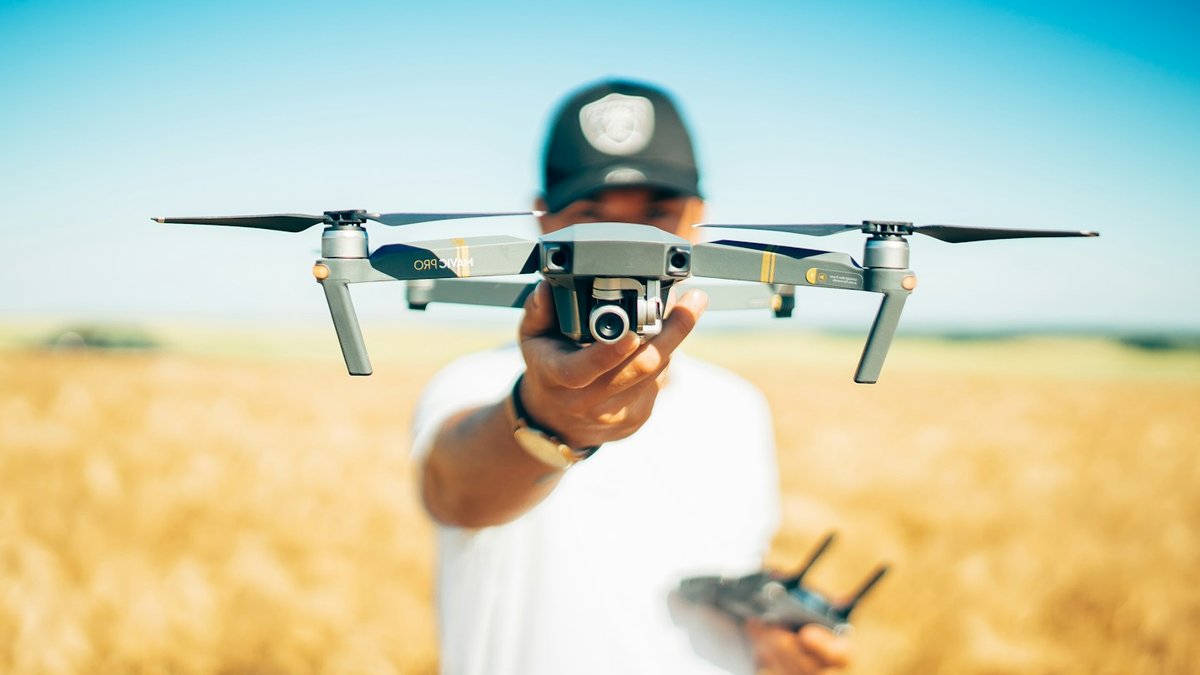
Companies are turning to drone photography to capture business gatherings from angles that traditional cameras cannot reach. The technology promises fresh visual assets that stand out in crowded marketing feeds.
Aerial Angles Transform Event Storytelling
From high above, drones record the full scale of conferences, trade shows and product launches. Sweeping shots reveal venue layout, crowd density and overall energy, creating a cinematic feel for post-event reels.
These raised images also highlight brand elements such as logos on backdrops or signage on exhibition halls. By framing corporate symbols from the sky, marketers gain striking visuals that reinforce brand identity across channels.
Key moments, like a new product unveiling, a keynote speaker onstage, or a busy networking break, receive a unique viewpoint. The resulting footage adds vigor to storytelling and supplies ready-made clips for follow-up campaigns.
Social platforms reward eye-catching content, and aerial clips often generate higher engagement. Time-lapse sequences of moving crowds or panoramic venue overviews spark conversation on Instagram, Twitter and LinkedIn, extending the event’s digital lifespan.
Adopting drone photography signals a forward-thinking image to prospects and investors. Companies that showcase such technology position themselves as innovators, appealing to partners who value cutting-edge approaches.
While the visual upside is clear, practical factors shape deployment. Large venues host simultaneous sessions, and a single drone can sweep the entire space quickly, reducing the chance of missed highlights that ground crews might overlook.
Read Also: Jigsaw Finance Acquires Happy Motor Finance in Expansion Move
Regulatory compliance remains essential. Operators must follow local aviation rules, often requiring certification and flight-plan approval. Working with licensed pilots helps avoid legal pitfalls and protects the company’s reputation.
Beyond marketing, drones contribute to event safety. Real-time aerial monitoring can flag overcrowded zones or unexpected movement, giving security teams early warning to address potential risks.
Environmental considerations also favor unmanned aerial systems. Compared with bulky camera rigs, drones are lightweight and consume less power, lowering the carbon impact of event documentation.
Beyond simply documenting an event, drone-captured footage can be leveraged to create immersive virtual experiences. Stakeholders who are unable to attend physically may still participate in the event through Virtual Reality (VR) or Augmented Reality (AR) platforms. By providing a full view of the proceedings and incorporating interactive elements, companies not only extend their event’s reach but also support deeper engagement while forging connections with a broader audience; this holds true regardless of geographical constraints.
Operational Advantages of Drone Integration
Deploying an unmanned aerial system eliminates the need for bulky crane rigs, allowing crews to arrive with lightweight cases.
Setup time shrinks dramatically, as a single operator can launch and position the aircraft within minutes.


