PwC Survey Highlights Retention Challenges for Emirati Talent
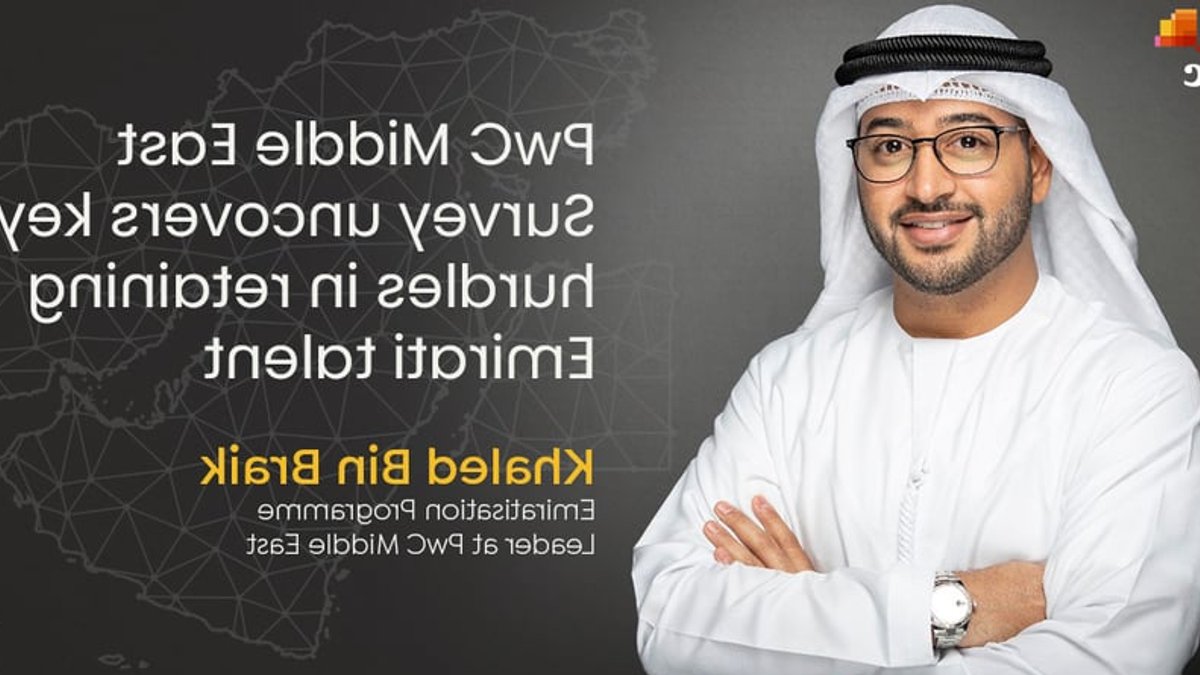
PwC Middle East released its first-ever Emiratisation Survey, titled “The Retention Riddle: How to keep Emirati talent in the private sector,” highlighting the efforts needed to boost Emirati representation in the UAE’s private-sector workforce. The study included 500 nationals working in both the public and private sectors, as well as recent graduates. It emphasizes the need for action to ensure the retention of Emirati talent and support sustained economic development.
One key finding is that while interest in private-sector employment among younger Emiratis is growing, many nationals ultimately choose to return to the public sector. In fact, two-thirds of Emiratis currently working in private-companies are considering such a move.
This trend suggests that despite a growing desire for private sector roles, practical barriers remain high. While over half of Emirati graduates express interest in joining the private sector, they perceive barriers to entry. Additionally, both public and private sector employees generally report satisfaction with their job experiences, learning and development opportunities, and career progression prospects.
The reality is stark. Currently, expatriates make up 89 percent of the population and 92 percent of the workforce, while Emiratis account for only 4 percent of private sector employees. Two-thirds of Emiratis currently working in the private sector would consider switching to the public sector, and 20 percent of those employed in the private sector are less satisfied with their compensation and benefits packages compared to their public sector counterparts.
Private sector leaders are urged to play a more significant role in driving nationalisation, as the government has been the primary driver thus far. The survey outlines seven steps for retaining Emirati nationals in the private sector, but the data shows that the gap in compensation and the perception of difficulty in securing employment remain significant hurdles.
Related: Zelo Offers Hope for Small Business Cash Flow
Driving nationalisation initiatives
The survey revolves around five key themes, including the need for change due to heavy reliance on expatriate workers in the UAE economy. To address this, the focus is on driving nationalisation initiatives at scale, aiming to integrate 75,000 Emiratis into the private sector by 2026 through various measures such as policies, regulations, upskilling initiatives, incentives, and investments.
PwC Middle East has made nationalisation a core part of its people strategy, aligning with its purpose of solving client problems and building trust. The firm’s “Watani” program, initiated in 2012, ensures UAE national representation across service lines and supports national talent at every stage of their careers through dedicated programs, client exchanges, and full training opportunities.
Emiratisation Programme Leader Khaled Bin Braik emphasised the importance of collective effort from both the public and private sectors to achieve the UAE’s shared vision and build a sustainable economic future. He called for collaboration to deliver on the ambitious goals of the nation.
Given the UAE’s ongoing globalisation, digital and urban transformation, and focus on sustainability, the labour demand is evolving, creating the need for new skills while rendering some employment opportunities and skills obsolete. The Emiratisation Survey 2023 emphasises the importance of understanding and addressing the preconceptions and preferences of Emirati employees to break down traditional barriers and ensure long-term success in hiring.

Zelo Offers Hope for Small Business Cash Flow


