Rare ophicleide featured in orchestra concert
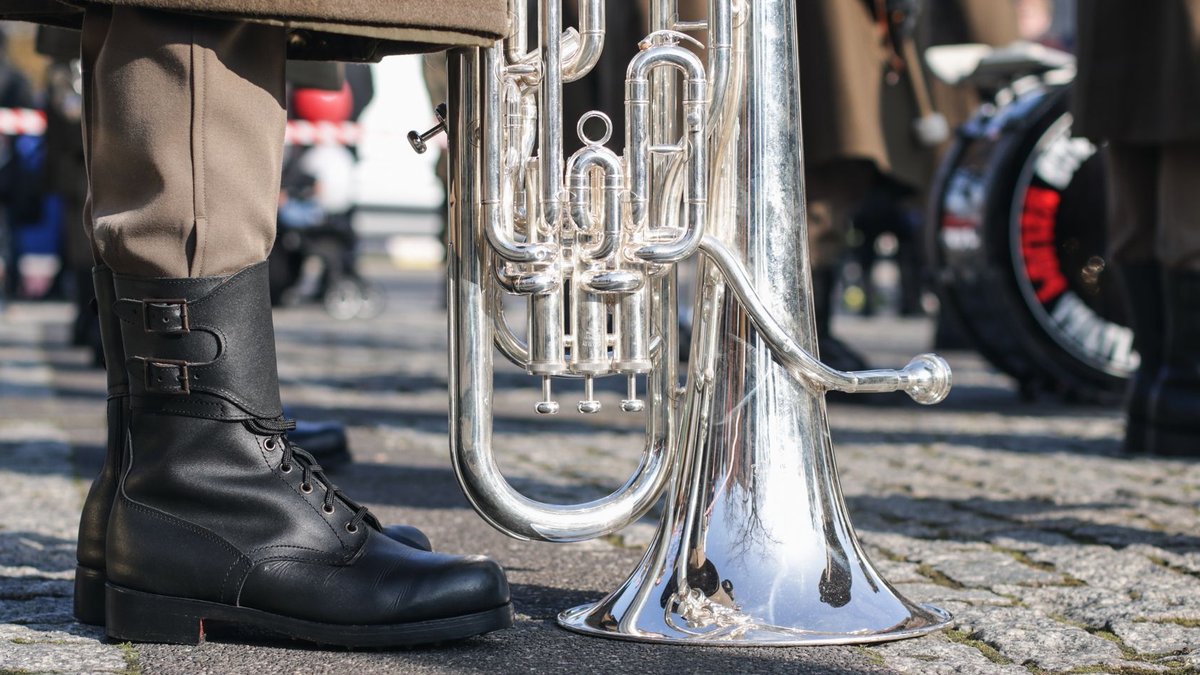
The Sheffield Chamber Orchestra’s upcoming concert on December 5 will feature a rare 200-year-old brass instrument, the ophicleide. Ini Kuti, a rising musician, will play the ophicleide in a performance that includes works by Mendelssohn, Dvořák, Handel, and Farrenc.
The ophicleide, an ancestor of the contemporary tuba, was originally invented in France around 1817. It has a curved body and a system of keys, and was once a principal bass instrument in orchestral brass sections throughout nineteenth-century Western Europe.
The Ophicleide’s Unique Sound
Ini Kuti compares the ophicleide’s tone to being ‘dry and nasal.’ Unlike today’s brass instruments, which rely on valves, this instrument uses between nine and eleven keys to open and close tone holes for sound production.
Composers like Berlioz and Wagner were drawn to the ophicleide’s unique qualities, incorporating it into their orchestral works. One standout example is its use in Berlioz’s Symphonie fantastique, where it plays a key part in the powerful Dies irae section of the finale.
Mendelssohn’s A Midsummer Night’s Dream Overture
Mendelssohn’s A Midsummer Night’s Dream Overture, composed when he was just seventeen, draws inspiration from Shakespeare’s enchanting tale of fairies and lovers. Kuti acknowledges that performing this piece on the ophicleide presents both a thrilling opportunity and a technical challenge.
Read Also: Charity launches £50,000 fund to aid undiagnosed and severe axial
‘Mendelssohn didn’t treat the ophicleide as just another trombone,’ Kuti says. ‘He gave it a special role in many different ways.’ Its brighter, more piercing sound allows for creative approaches, though its complicated design makes playing it particularly difficult.
Kuti’s dedication to historical instruments drives him to tackle the ophicleide’s challenges. His resume includes appearances with the National Youth Orchestra of Great Britain and his first professional gig with Birmingham Royal Ballet.
A Unique Concert Experience
Attendees will have the chance to hear the ophicleide in its original musical context. The concert features Dvořák’s Czech Suite, Handel’s Concerto Grosso in B-flat (Op. 6 No. 7), and Farrenc’s Symphony No. 1, appealing to both brass specialists and general classical fans.
The Sheffield Chamber Orchestra remains a cornerstone of the city’s musical culture, presenting diverse works while supporting new talent. Tickets for this special performance are now on sale.


