Inflation Slows Down Market Shifts Ahead
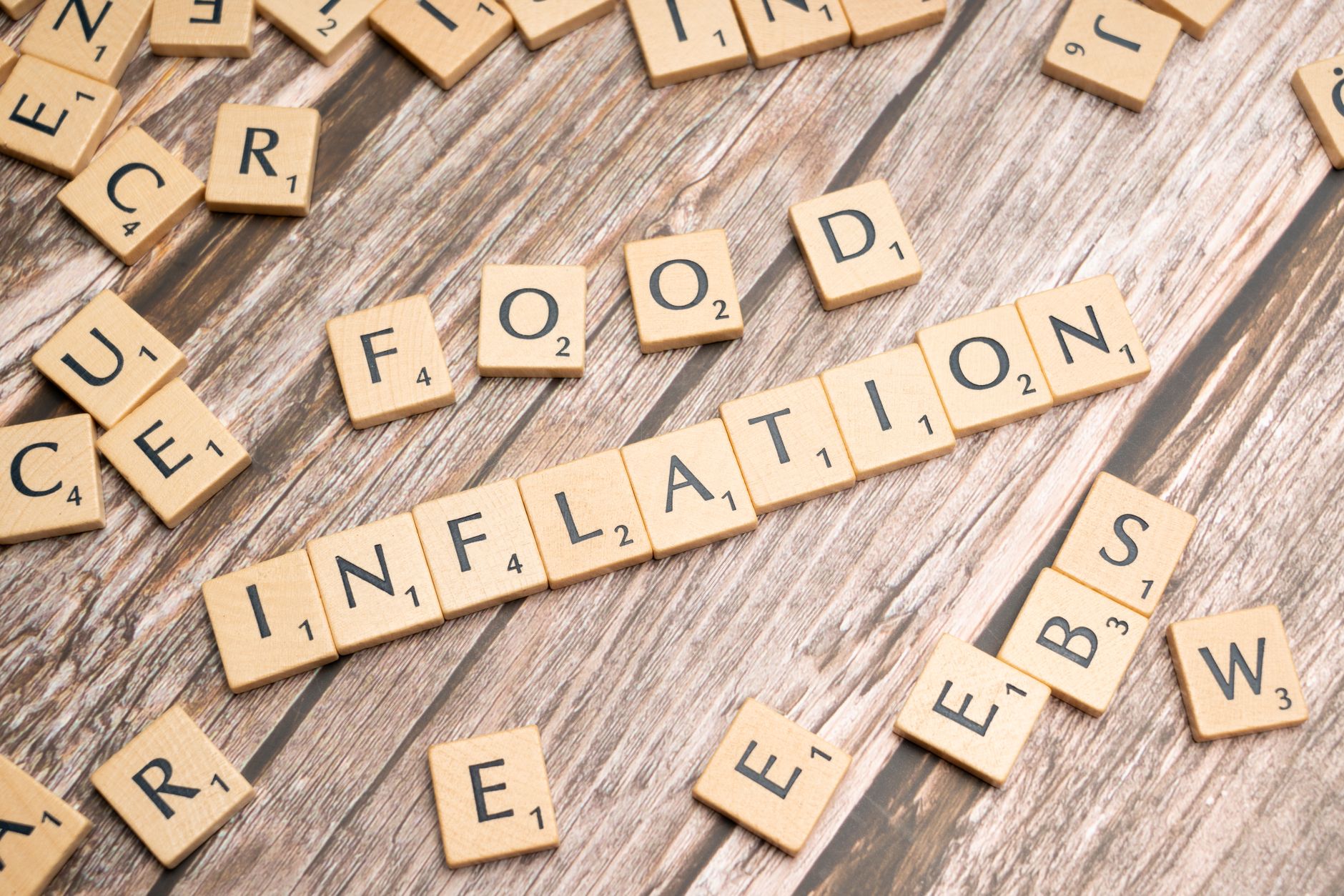
In October 1973, war in the Middle East triggered an energy crisis that Americans could see with their own eyes. After Arab oil producers imposed an embargo on the United States, gasoline supplies tightened and prices soared. Drivers waited in lines that stretched around the block, concerned that the station would run dry before they reached the pump.
Inflation was no longer an abstract number buried in a government report. It was posted on gas station signs. It was eating into family budgets. And it was sitting in a line of cars that barely moved.
More than 50 years later, it looked like history might repeat itself. War erupted in the Middle East. Oil prices surged. Gas prices followed. And just as inflation had started to cool, fears of another energy shock came roaring back.
Then the story changed. Oil prices reversed course. By late June, crude had fallen back near the levels where it traded before the fighting began. Gas prices followed, though drivers were still paying more than they had before the conflict.
That reversal showed up clearly in this week’s inflation reports. The Consumer Price Index and Producer Price Index reports reveal that inflation is cooling.
The Consumer Price Index offered some encouraging news. Consumer prices fell 0.4% in June, marking the first monthly decline since 2020. Economists had expected a decline of just 0.2%.
Related: Cheap AI Stocks Still Worth Buying After Selloff
On an annual basis, that brought the rate down to 3.5%, down from 4.2% in May – and below a forecasted 3.8%. Core CPI, which excludes food and energy, was unchanged.
Economists had expected a 0.2% increase. That brought the annual rate to 2.6%, down from 2.9% previously.
A big reason for the drop was gasoline prices, which fell 9.7% as oil prices retreated. Food prices rose a modest 0.2%.
Producer prices fell 0.3% in June, beating economists’ expectations for no change and marking the first monthly decline since last August.
On an annual basis, prices slowed to 5.5%, down from 6.0% in May. Just as encouraging were the report’s underlying details.
Energy prices fell 6.4%, and food prices slipped 0.6% on a monthly basis. Core PPI, which excludes food and energy, rose a modest 0.2%.
Related: Five Space Stocks Worth Buying After SpaceX IPO
Now, it’s essential to remember that May’s Producer Price Index told a very different story. Wholesale prices jumped 1.1% that month, largely because energy prices surged after the conflict with Iran began.
But as crude oil later gave back much of that initial spike, countries found alternative ways to move energy supplies around the Strait of Hormuz, fears of a prolonged disruption eased, and oil prices retreated.
That reversal helped pull both consumer and wholesale inflation lower in June.
For now, though, the latest numbers are encouraging. Inflation came in below expectations at both the consumer and wholesale levels.
That has taken the threat of another Federal Reserve rate hike off the table, while market rates have started meandering lower.
May’s PPI reflected the initial surge in energy prices. June’s CPI and PPI captured the retreat.
Related: AI Tech Takes Center Stage Everywhere Now
This development means that people most affected by inflation, such as consumers and investors, need to be cautious and adapt to the changing economic conditions. They should focus on the underlying trends and not just the latest headlines.
That is why it’s essential to track shifts in institutional buying and combine those signals with the factors that matter most, including strong sales growth, accelerating earnings, and positive guidance.
When those signals line up, that’s when investors should really start paying attention. It’s a disciplined approach that can help identify fundamentally superior companies with strong institutional support.
These are exactly the kinds of companies investors want to own as earnings season unfolds. They came from identifying companies with strong earnings, sales growth, and guidance, then giving their earnings time to do the heavy lifting.
Some of the biggest winners currently on the buy list include a buy now, pay later platform, an electronics manufacturing and data center supplier, an AI server maker, and a gold and strategic minerals company.
Investors should consider this approach.

Cheap AI Stocks Still Worth Buying After Selloff


