Navigating the Decision to Open a New Sub Sandwich Franchise
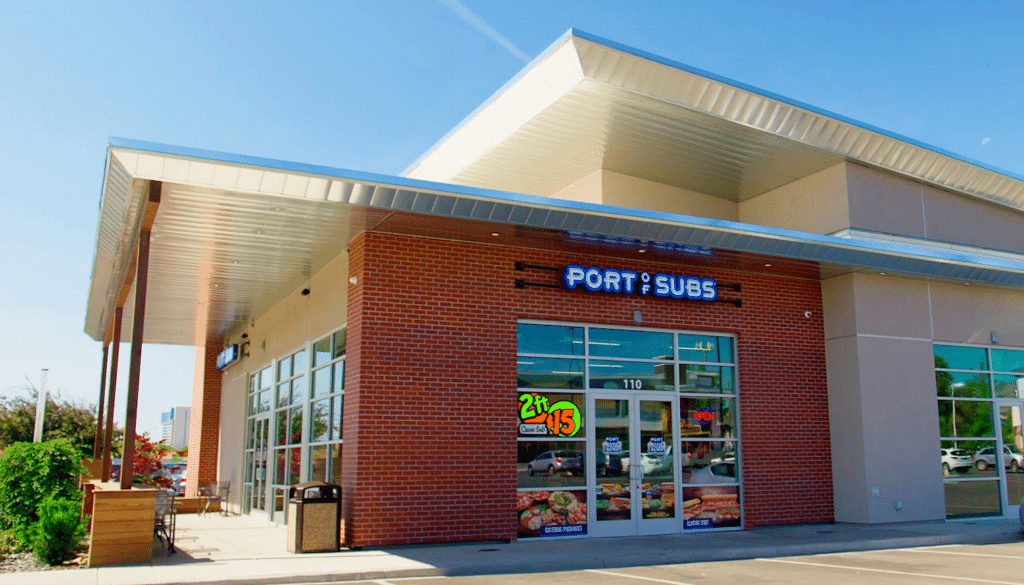
Deciding to enter the quick-service food industry by opening a sub franchise is a significant business undertaking. It represents a choice between building a brand from the ground up and leveraging a structured, proven operational model. For many prospective entrepreneurs, the core trade-off centers on balancing the desire for creative autonomy against the reduced risk associated with a defined business system.
Understanding the Landscape for Sub Sandwich Franchises
The market for prepared lunch and dinner options remains a staple of the food industry, driven by the convenience consumers demand. When you look at new sub sandwich franchises, you are essentially evaluating how a particular brand fits into the rhythm of daily life within a community. Some models focus on high-volume, speed-oriented service suited for busy urban centers, while others emphasize a sit-down environment that appeals to families or longer lunch breaks.
Operating under a franchise agreement typically involves a set of operational expectations. These often include specific equipment packages, supply chain management, and established visual standards. The goal of this structure is to provide a consistent experience for the customer, regardless of where they happen to be. For the business owner, this consistency is designed to simplify daily logistics—ordering inventory, managing food preparation workflows, and maintaining health and safety protocols become guided tasks rather than constant experiments.
Factors That Tip the Decision
The viability of a sub sandwich franchise location often depends on how well the model aligns with the demographics and traffic patterns of the chosen area. A thoughtful evaluation involves looking at several foundational elements:
- Operational Requirements: Every franchise system comes with a unique set of requirements for staffing, maintenance, and facility management. It is important to ask how much hands-on labor the model expects from the owner and how much support the central office provides for ongoing training.
- Site Selection and Accessibility: Visibility and convenience often dictate success in the food service sector. Consider how easily residents or commuters can access the site and whether the physical footprint of the building supports the volume of traffic the brand typically handles.
- Supply Chain and Vendor Relations: A primary benefit of a franchise is the ability to leverage existing supply chains. Prospective owners should ask about how the franchise manages ingredient quality and whether there are contingencies for supply disruptions that could impact local operations.
- Initial and Ongoing Financial Obligations: Entering a franchise agreement involves clear responsibilities regarding fees, royalties, and marketing contributions. A thorough assessment includes understanding not just the upfront investment, but the recurring costs that will affect your ability to reinvest in the business over time.
Evaluating Long-Term Operational Support
Beyond the initial setup, the strength of a new sub sandwich franchise is often revealed by the quality of support provided by the parent company. As the market evolves, consumer preferences change. A robust system provides its franchisees with updated technology, refreshed menu concepts, and marketing guidance to help the location stay relevant.
When considering a brand, look for evidence of how they handle feedback and adaptation. A franchise that is transparent about its processes and willing to share documentation regarding their oversight and training programs is often better positioned to help a new owner navigate the complexities of food service management. Ask existing owners about their experience with technical support, marketing assistance, and the ease of communicating with the corporate office when challenges arise.
Aligning the Business Choice with Individual Goals
Ultimately, the decision to open a sub sandwich franchise should align with your broader professional objectives. Some entrepreneurs are drawn to the model because it provides a predictable path for managing multiple units, while others prefer the focus of a single, well-run store. The amount of time you are prepared to spend on the ground managing the daily grind of a kitchen, inventory management, and customer service will heavily influence which model suits you best.
It is also helpful to consider your own tolerance for structure. While a franchise removes some of the ambiguity of starting a new business, it also limits your ability to change the menu or deviate from operational protocols to test local ideas. If you value the safety of a proven roadmap and are comfortable working within a defined system, a franchise model can be a logical step. If you find the lack of flexibility restrictive, you may want to weigh those trade-offs carefully against the benefits of brand recognition and established supply chains.
The most successful owners are typically those who take the time to deeply understand the mechanics of the franchise they are entering. They recognize that while the system provides the tools, the success of the location still rests on local execution, relationship-building within the community, and an unwavering commitment to operational standards. Before committing to any agreement, ask for as much information as the company is willing to share, consult with other owners to gain a range of perspectives, and ensure that your own vision for business ownership is fully supported by the structure the franchise provides.

Retirement Industry Sees Recent Staff Changes


