Sustainable Packaging Solutions: The Evolution of Food Packaging Containers
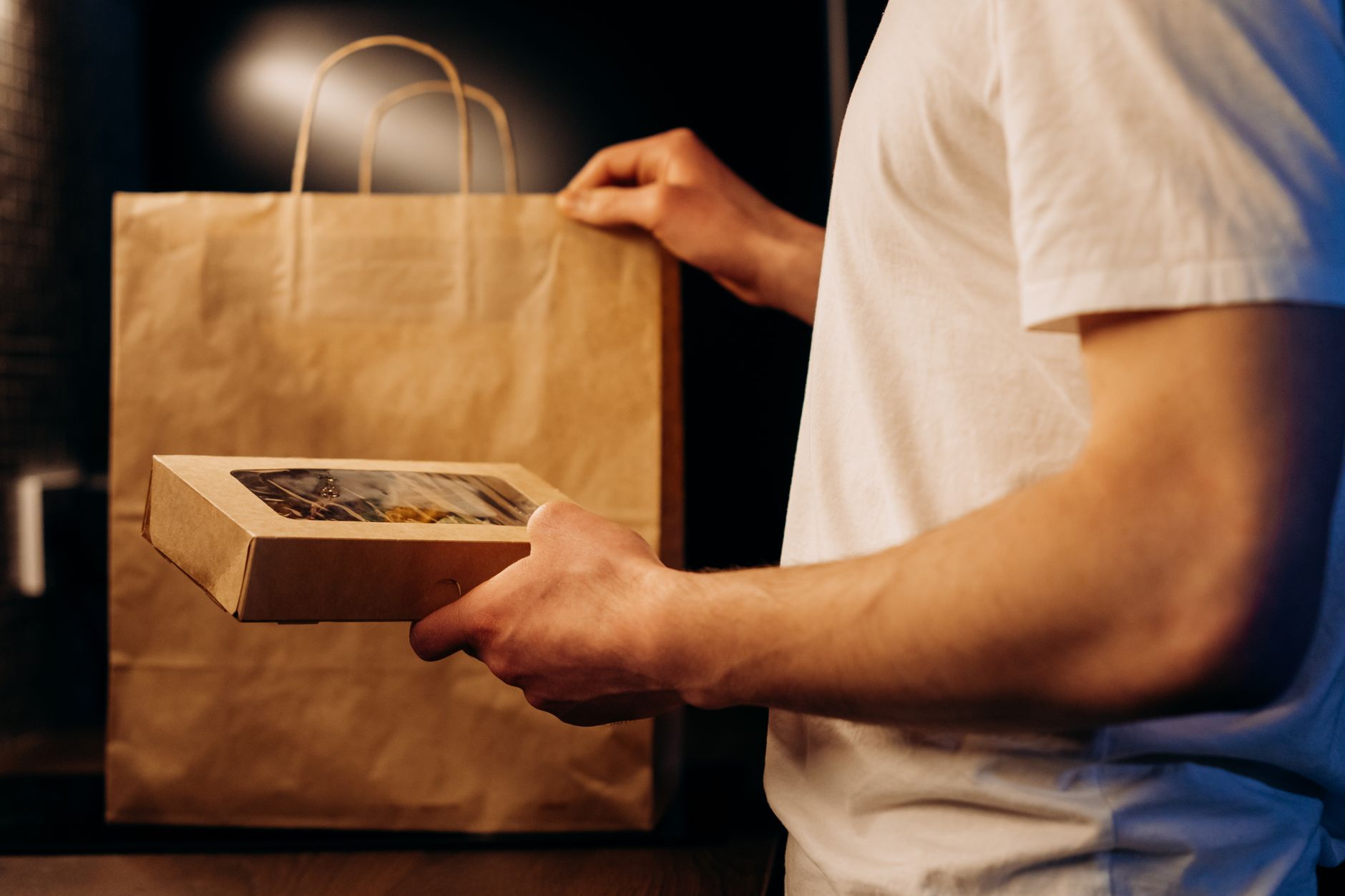
The food industry has witnessed a remarkable transformation driven by consumer awareness, environmental regulations, and technological innovation. What was once seen as mere protection for food has evolved into a powerful expression of brand values and sustainability.
Food packaging containers are not only designed for functionality but also to meet the growing demand for eco-friendly practices. The shift from traditional plastic to biodegradable and compostable materials represents a conscious movement toward a greener, more responsible future for both businesses and consumers.
Modern packaging is more than just a necessity, it’s a reflection of how brands adapt to global sustainability trends while ensuring freshness, safety, and quality.
1. The Rise of Sustainable Thinking in Food Packaging
The global movement toward sustainability has redefined nearly every industry, and the food sector is at its forefront. Brands and consumers alike are increasingly aware of how packaging waste contributes to environmental degradation.
This has led to an era of conscious innovation where sustainable food packaging materials are being prioritized over conventional plastic. Materials like kraft paper, bamboo fiber, cornstarch polymers, and sugarcane bagasse are replacing harmful plastics.
These eco-friendly options not only reduce landfill waste but also align with circular economy principles, where packaging can be recycled, reused, or composted. As a result, businesses adopting sustainable practices gain not just credibility but also long-term customer loyalty.
2. From Functionality to Brand Identity
Packaging is often the first point of contact between a business and its customers. Beyond keeping food safe and fresh, it communicates a brand’s philosophy.
Today’s customers value ethical consumption and are drawn to businesses that demonstrate environmental responsibility. A thoughtfully designedcontainer reflects quality, integrity, and care. Whether it’s a café offering takeaway meals or a fine-dining restaurant providing delivery, sustainable packaging strengthens brand perception and fosters emotional connection.
Modern packaging designs incorporate eco-conscious colors, minimalist branding, and natural textures that appeal to consumers who seek authenticity and purpose in their purchases.
3. Innovation Driving the Evolution
The evolution of packing containers has been fueled by continuous innovation. Manufacturers are leveraging science and technology to develop lightweight, durable, and sustainable materials that don’t compromise food safety or presentation.
From moisture-resistant biodegradable boxes to plant-based bioplastics, these new materials are revolutionizing packaging design. Moreover, digital tools like 3D printing and smart manufacturing have enabled greater customization and efficiency, allowing brands to create tailored solutions that meet both aesthetic and environmental goals.
4. Balancing Sustainability with Practicality
One of the biggest challenges in packaging evolution is maintaining a balance between eco-friendliness and functionality. Packaging must remain practical, affordable, and durable while meeting environmental standards.
Fortunately, the latest innovations in sustainable packaging materials achieve this balance. They offer heat resistance, leakproof designs, and strong structural integrity while being compostable or recyclable.
This ensures that food remains safe and fresh from kitchen to customer, even during long deliveries. Restaurants, bakeries, and catering services can now maintain operational efficiency without compromising on sustainability goals.
5. The Role of Technology in Modern Packaging
Technology plays a vital role in the modernization of food packaging. Automation and precision engineering have streamlined production, making sustainable packaging more accessible and affordable.
Smart packaging features such as temperature indicators, freshness trackers, and QR codes provide valuable data to both consumers and businesses. These advancements ensure transparency, traceability, and safety while reducing waste.
Furthermore, digital design tools allow for innovation in shape, material composition, and printing, helping brands craft packaging that stands out while staying eco-friendly.
6. Consumer Demand Driving Change
The shift toward sustainability is not just a business decision, it’s a response to changing consumer behavior. Modern consumers are more informed, eco-conscious, and willing to support brands that make responsible choices.
They prefer products packaged in materials that can be recycled or decomposed naturally. This growing awareness has compelled food service providers to switch to sustainable options like paper-based wraps, biodegradable containers, and reusable cups.
By aligning with these expectations, businesses not only reduce their carbon footprint but also attract a loyal customer base that values sustainability as part of lifestyle choices.
7. Benefits of Adopting Sustainable Packaging Solutions
Businesses that transition to eco-friendly packaging gain several advantages beyond environmental impact.
- Enhanced Brand Image: Sustainable packaging showcases responsibility and modernity.
- Regulatory Compliance: Many governments are implementing stricter packaging waste regulations.
- Operational Efficiency: Lightweight designs reduce storage and transport costs.
- Customer Loyalty: Eco-conscious consumers prefer brands aligned with their values.
- Long-Term Savings: Reusable and recyclable materials often reduce costs over time.
These benefits make sustainability a long-term investment rather than an additional expense, fostering growth and positive brand reputation.
8. Overcoming Challenges in Implementation
Transitioning to sustainable packaging can present challenges, such as sourcing the right materials, managing costs, and ensuring compliance with food safety standards. However, these challenges are temporary compared to the long-term gains.
Partnering with reliable suppliers and manufacturers ensures consistent quality and adherence to regulatory norms. As technology advances, production costs for eco-friendly packaging continue to decrease, making it increasingly feasible for small and large businesses alike.
The key lies in strategic planning and choosing the right packaging partner who understands both sustainability and functionality.
9. The Future of Food Packaging Containers
The future of packaging lies in innovation and responsibility. The coming years will see a greater shift toward circular packaging systems, biodegradable composites, and renewable resources.
Brands will continue to integrate technology for smarter, data-driven packaging solutions.
Moreover, collaboration between packaging manufacturers, food businesses, and environmental agencies will accelerate the move toward zero-waste models.
The evolution of food packaging is not slowing down, it’s accelerating toward a greener, smarter, and more customer-centric future.
Conclusion:
The evolution of food packaging containers represents the broader transformation of the food industry that prioritizes innovation, functionality, and responsibility. Businesses that invest in food packing containers made from sustainable packaging materials are not only protecting the environment but also positioning themselves as leaders in the modern marketplace.
To explore high-quality, durable, and eco-conscious packaging options tailored to diverse food service needs, connect with Hotpack Web Store, where sustainability meets innovation and every package tells a story of responsibility and care.

Financial Technology Expo Kenya: A Launchpad for Future Fintech Innovators


