Vietnam’s $16B credit push targets SME funding gap
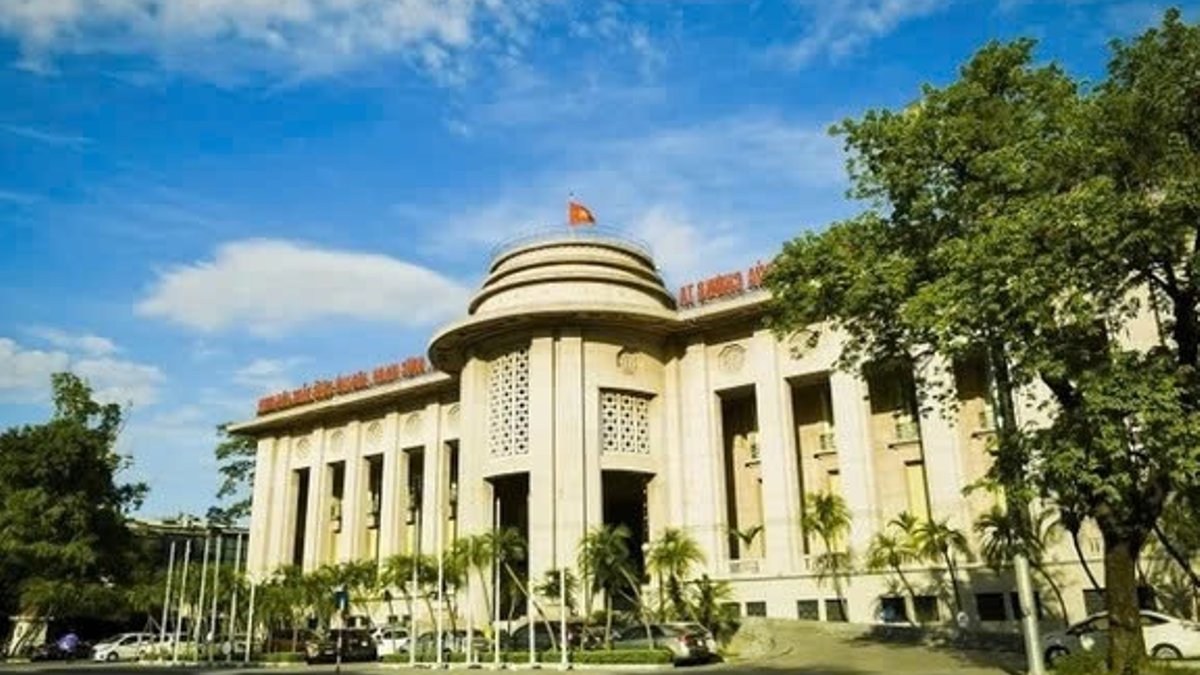
A new credit initiative in Vietnam aims to improve access to capital for small- and medium-sized enterprises (SMEs). Only 20.5% of SMEs currently have outstanding bank loans, according to a FiinGroup representative, who highlighted this issue in a recent interview with VIR on September 22. More than 40% of medium- or low-risk businesses, operating for more than five years, have never accessed bank credit. In the trade sector, which has the largest concentration of SMEs, an estimated 70,000 low-risk businesses have yet to secure bank loans.
The gap is even wider across business sizes, with just 8.8% of micro enterprises accessing bank credit, compared to 61.4% of large enterprises.
Addressing the credit gap
The State Bank of Vietnam (SBV) has launched a program to tackle this issue, with 19 commercial banks committing a total credit scale of $16.28 billion. Loans under this program offer interest rates at least 1 percentage point below standard lending rates, as per the SBV’s guidelines. This initiative is part of a broader effort to facilitate SMEs’ access to capital, recognizing credit as an essential resource for business operations, recovery, and expansion.
Nguyen Ngoc Canh, Deputy Governor of the SBV, emphasized the importance of credit for business operations but acknowledged the challenges SMEs face in accessing capital. He highlighted the need for improved information sharing and risk assessment processes, pointing out that many SMEs lack sufficient financial data, corporate governance, collateral, or convincing business plans. These limitations often hinder their ability to secure loans, even when banks have available funding.
Streamlining the financing process
SMEs often encounter administrative hurdles when seeking financing, as each bank has its own procedures and requirements. This leads to businesses repeatedly providing similar information, causing delays and increased costs. The process is further complicated by the lack of standardized documentation and the need for businesses to prove their financial strength to each individual bank.
Nguyen Thanh Nghi, CEO of Thien Minh Rating (TMR), attributed this issue to information asymmetry. He proposed a solution: a digital passport for businesses, incorporating standardized documentation and independent credit ratings. This approach aims to create a common language between businesses and banks, streamlining the due diligence process and reducing transaction costs. TMR focuses on digitizing corporate profiles, standardizing documentation, and providing independent risk assessments to create an objective and transparent reference point.
Policy recommendations
TMR suggests that the SBV encourage banks to pilot the use of digital corporate profiles and independent credit ratings in credit assessments. Nghi also urged regulatory authorities, particularly the Ministry of Finance, to explore data-sharing mechanisms between credit institutions and licensed credit-rating agencies. Improved data connectivity, he argued, could enhance credit assessment efficiency, making the process faster and more reliable.
The SBV’s recent policy shift, including eased capital rules and special credit treatment for strategic projects, is expected to benefit banks, property developers, and infrastructure companies. The State Bank of Vietnam has issued Official Letter No.8509/NHNN-CSTT to 25 credit institutions, adjusting the calculation of certain loan balances when controlling real estate credit growth in 2026.

AEON Accelerates Vietnam Expansion with Four Malls


