Namibia education chief warns digital tools must improve learning outcomes
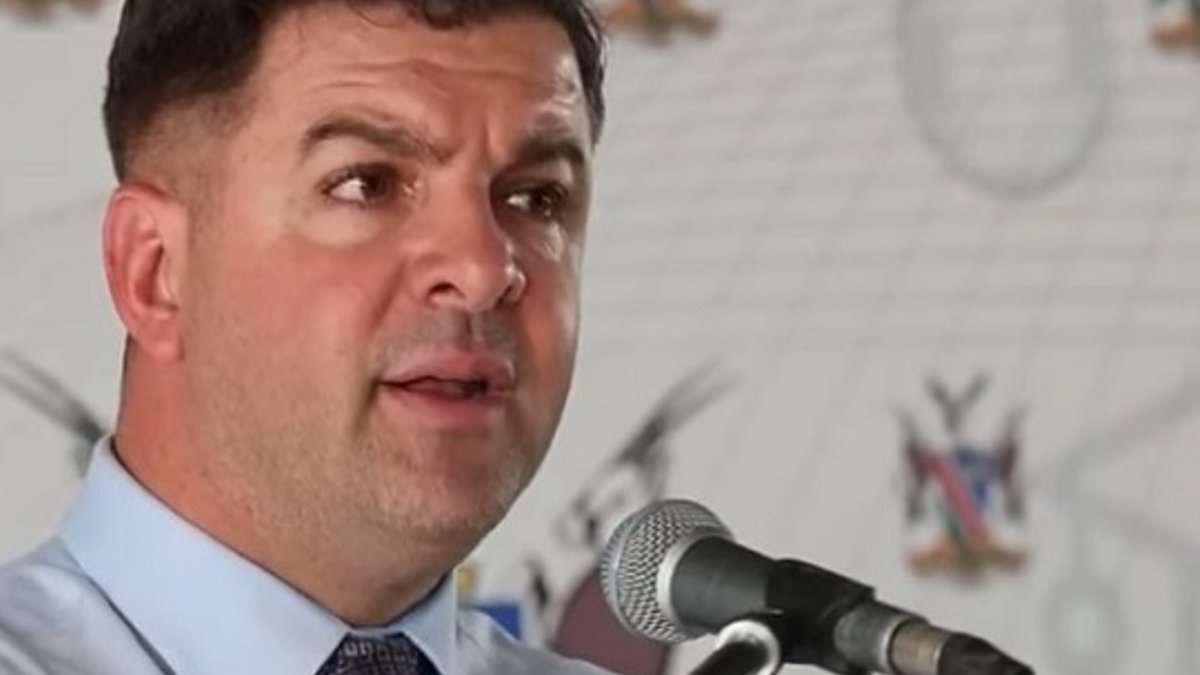
The Deputy Minister of Education in Namibia, Dino Ballotti, inaugurated a three-day UNESCO-KFIT workshop in Windhoek on Tuesday. He called on attendees to evaluate digital education initiatives based on their effects on instruction and student achievement rather than the volume of equipment distributed. During the launch of the project’s third phase, Ballotti criticized conventional benchmarks that emphasize hardware distribution instead of tangible classroom improvements.
“Devices delivered and schools connected tell us what we have put in. They do not tell us what we have achieved,” Ballotti stated, drawing on his experience as a teacher. He maintained that meaningful progress depends on observable gains in teaching quality, learning results, and inclusion for marginalized groups—areas frequently sidelined when funding allocates resources to technology over instructional methods.
The workshop forms part of the third phase of the UNESCO-KFIT project, supported by the Republic of Korea, which builds on ten years of implementation across nine African nations, including earlier phases in Mozambique, Rwanda, Zimbabwe, Côte d’Ivoire, Ghana, and Senegal. Ballotti highlighted that persistent digital gaps, especially between urban and rural schools, could deepen inequalities if strategies neglect structural disparities. He warned that a digital strategy ignoring these disparities risks widening the divide by favoring already-advantaged institutions.
Ensuring long-term viability poses another major hurdle. Earlier phases of the initiative achieved success in pilot settings, but Ballotti insisted lasting impact requires formal inclusion in national education strategies and budgets. “A result with no institution responsible for it, and no place in a national plan or budget, is living on borrowed time,” he cautioned. “Africa does not lack successful pilots. What we lack, too often, is the follow-through that turns a pilot into the way the system ordinarily works.”
Ballotti stressed that technology alone cannot reform education. “Technology does not transform education, people do,” Ballotti quoted, adding: “A teacher who is confident with one good tool will do more for a class than a teacher handed ten and trained on none.” As part of the three-day programme, participants are scheduled to conduct site visits, including a visit to A. Shipena Secondary School in the Khomas region, and participate in peer review sessions focused on sustained national adoption and evidence-based learning outcomes.
Attendees represent UNESCO, the UN Resident Coordinator, and education leaders from Tanzania and Uganda. The event continues through Thursday, with discussions centered on expanding solutions that match Namibia’s digital education priorities.


