Firms thrive by fostering staff-driven innovation
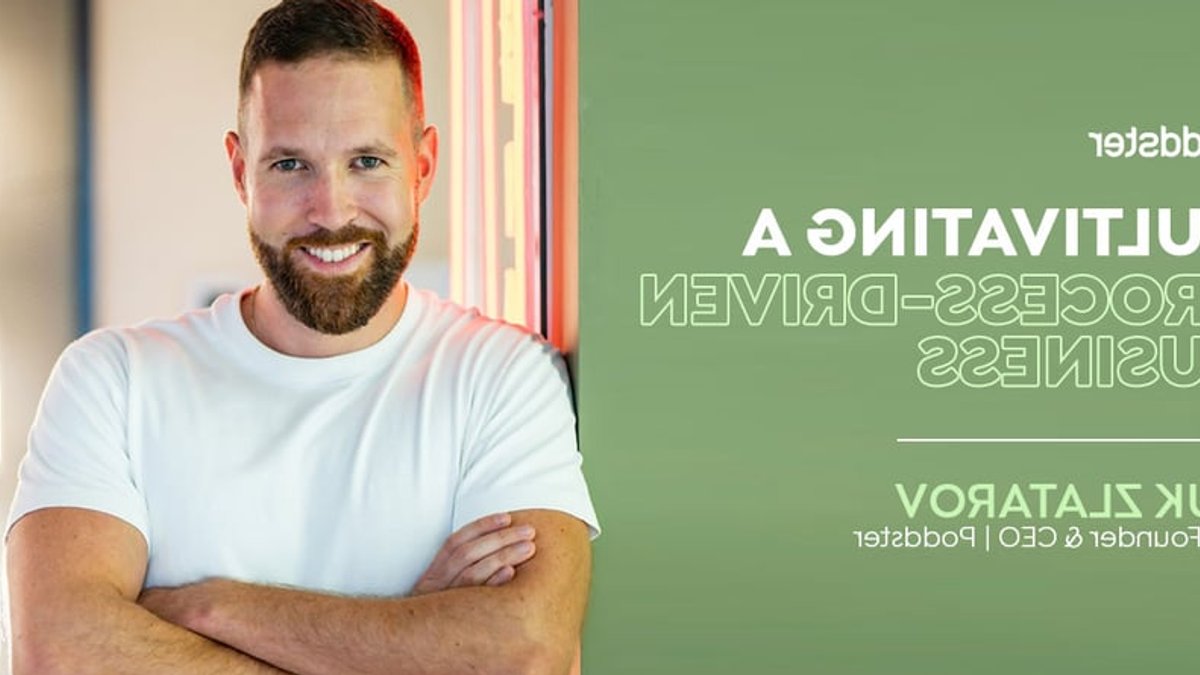
Businesses don’t have to choose between rigid processes and a motivated workforce. The most effective companies build systems that support employees while maintaining operational clarity. This equilibrium isn’t about compromise—it’s about designing structures that anticipate human behavior, reduce cognitive load, and create psychological safety. When employees spend less time deciphering unclear expectations, they redirect that energy toward creative problem-solving and collaboration.
Processes don’t have to kill creativity
Standardized procedures are often seen as the enemy of innovation. But when designed well, they can actually free employees from ambiguity. Clear workflows reduce frustration, letting staff focus on problem-solving instead of guessing what’s expected of them. The misconception arises from conflating standardization with inflexibility—whereas the most effective systems are built to accommodate exceptions without sacrificing consistency.
At Poddster, a Dubai-based podcast production network, customer satisfaction hinges on consistency. The company developed a standardized service model with input from its team, ensuring everyone understands their role. Incentives—both financial and professional—reward employees for their contributions, reinforcing accountability. The model’s success stems from involving staff in its creation, which supports a culture of collaboration and mutual respect. As Poddster expanded locally and internationally, it ensured customers received the same standardized service, leading to high customer retention and a happy team.
Toyota’s Production System (TPS) is a prime example of a process-driven approach that values the human element. TPS prioritizes lean manufacturing, continuous improvement, and respect for its people. Employees are involved in problem-solving and process improvement initiatives, giving team members a voice and the opportunity to contribute to the company’s success. This system transformed the automotive industry by reducing waste and improving quality and productivity while supporting employee satisfaction and engagement. Many credit it for Toyota’s ability to maintain high levels of quality and innovation.
Related: Emirates NBD reduces fees to support small businesses
Leadership sets the tone
A process-driven business works best when leaders involve employees in developing and refining processes. This ensures procedures meet the team’s needs while maintaining clarity and efficiency. Giving people space for innovation and strategic thinking is essential for long-term growth, allowing businesses to stay agile in a changing market. Equally, having a clear structure increases efficiency, helps staff understand their role, and cultivates a strong workplace culture.
Poddster’s expansion shows how this balance scales. Customers receive the same level of service regardless of location, while employees benefit from growth opportunities tied to performance. The model works because it treats processes as a foundation that supports both operational consistency and team engagement.
Most businesses assume they must lean toward either structure or flexibility. But the companies that last do both. They create systems that clarify expectations while leaving room for employees to contribute to how work gets done. The goal isn’t perfection—it’s a workplace where efficiency and engagement reinforce each other as markets shift.

Emirates NBD reduces fees to support small businesses


